40 deer organs diagram
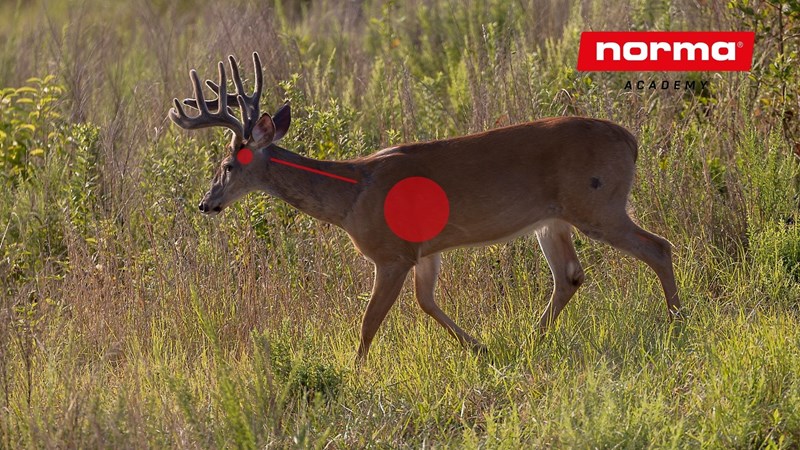
Even if you're a few centimeters off, you still hit vital organs. But even with a solid hit, a decent percentage of deer runs off, requiring hunters to follow a trail of blood to recover the animal. Woods still likes the double-shoulder shot and the larger target it provides for his own recreational deer hunting. The diagram shown above shows exactly where a deer's vitals are located (note that part of the lungs are cut away to show placement of the heart). That's the first step to proper shot placement. Notice how the majority of the heart is directly above the leg - not behind it.
Deer Anatomy - Digestive System. The whitetail is a ruminant. It has a four-chambered stomach that processes large quantities of low-nutrient foods. A deer can fill its stomach in one or two hours, depending on the abundance and type of vegetation or mast it eats. When a deer feeds, it tongues food to the back of its mouth and chews just ...
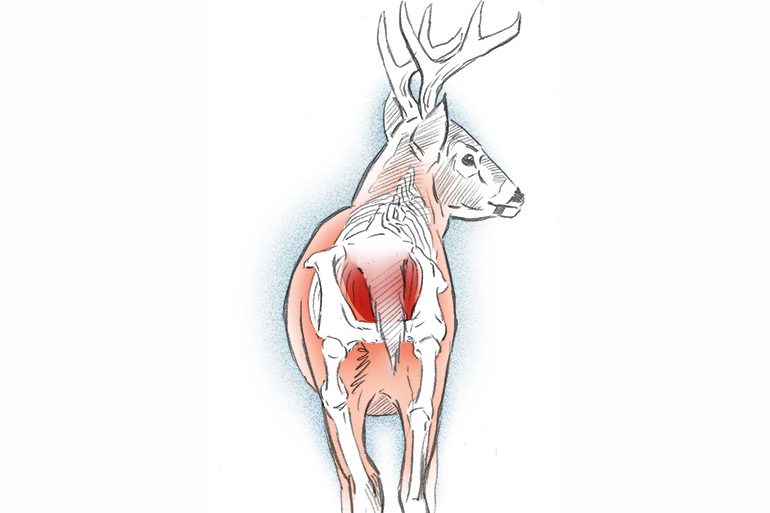
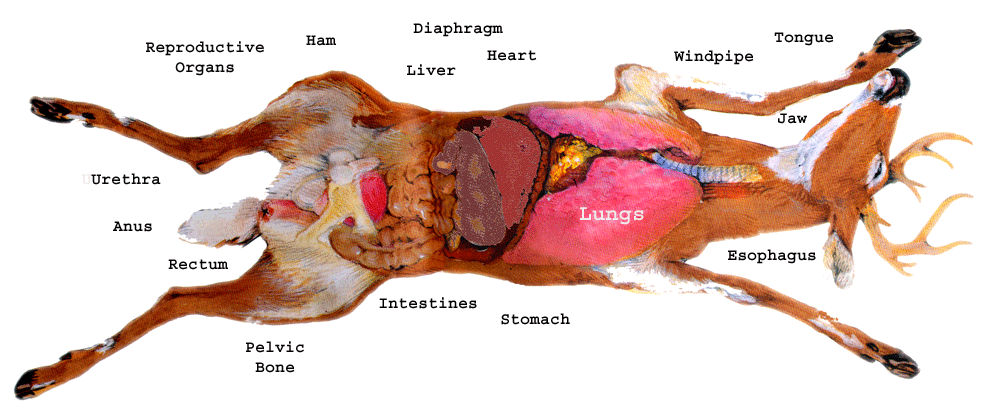
Deer organs diagram
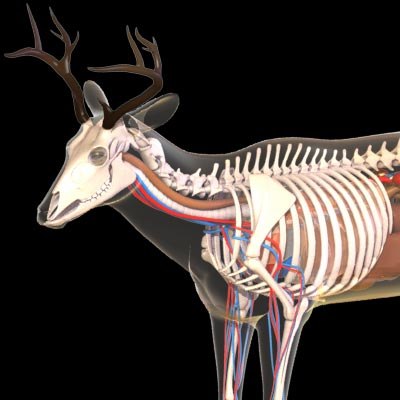
The result is a first-ever chance to shoot an arrow into one side of a deer and then go around to the other side to see both the path the arrow took and which internal organs it pierced en route. The material used in constructing the soft organs is self-healing, so it will last for a significant number of shots. There are three important organs of the deer's circulatory system--the heart, lungs, and spleen. Whitetail Deer, like most mammals, have a four chamber heart which circulates blood through the circulatory system. It transfers oxygen and nutriants throughout the body and carries away carbon monoxide and waste materials for disposal. The organ diagram above is a deer anatomy organ diagram. Use this diagram to learn about the deer anatomy. Now we'll move to human organ and body diagrams. Humans have five vital organs that are essential for survival. These are the brain, heart, kidneys, liver and lungs.
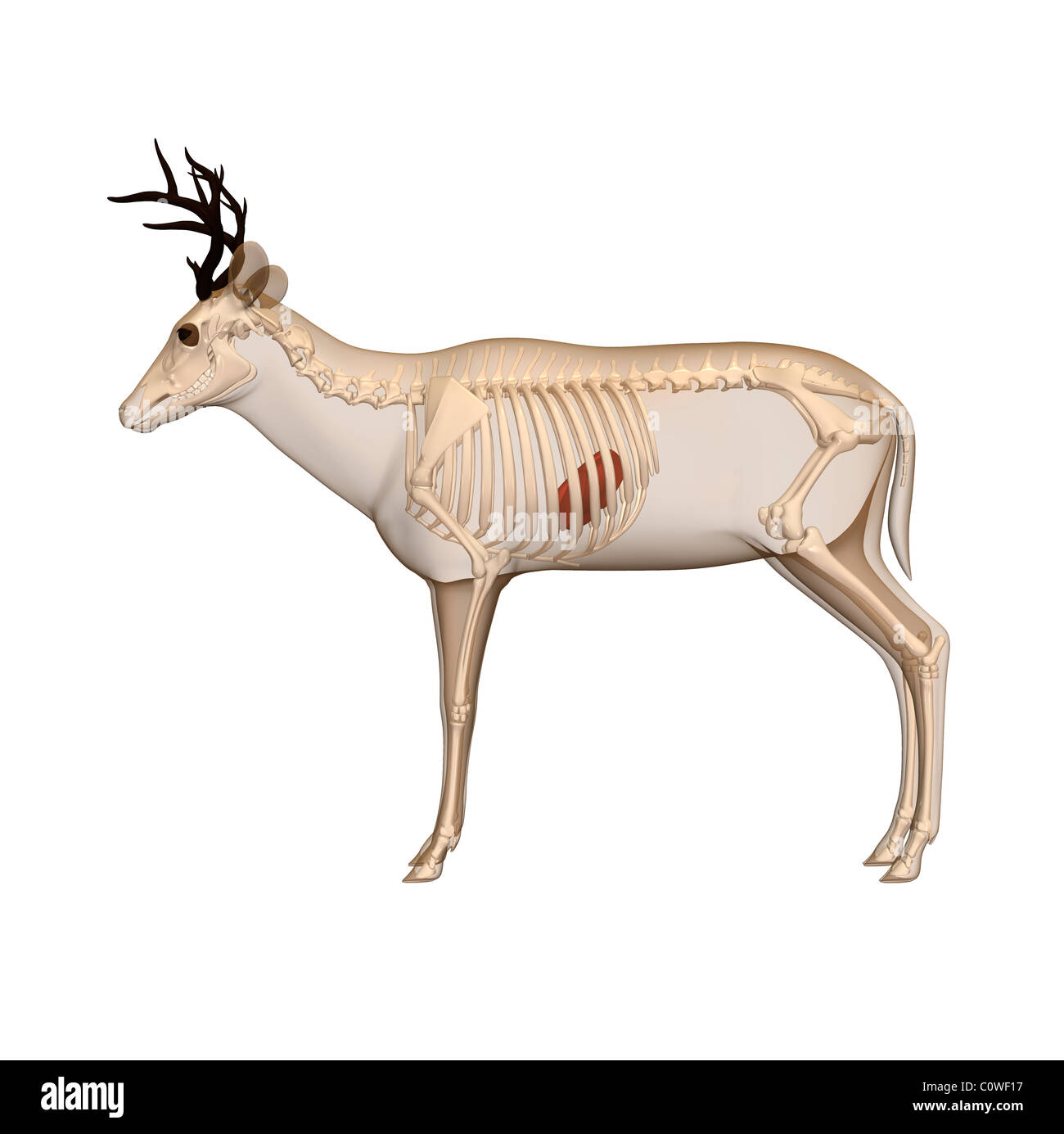
Deer organs diagram. Scientific Illustration. Sharon RistDeer Anatomy · GIF. whitetailed deer anatomy; organs, circulatory system, skeleton, muscles. Skeleton Muscles,. The average white-tailed deer skull is about 11.5 inches long and 4.5 inches wide. The skull is made up of the cranial bones (cranium) and the facial bones (which include the mandible). The joints of the cranial and facial bones are called sutures. The cranium surrounds and protects the brain and the organs of hearing and balance. Just a few diagrams of deer anatomy from another forum: Find this Pin and more on Deer Anatomy by Sharon Rist. Hunting Tips. Hunting Rifles. Deer Hunting. Deer Skeleton. Muscles Of The Neck. Deer Drawing. Outdoor Survival Gear. Those three organs are commonly called "the vitals," because they're the deer's most vital organs. They can be seen in the image below. A deer's heart, lungs and liver make up "the vitals," a bowhunter's intended target. Hitting the vitals with a razor-sharp broadhead delivers a quick, humane kill. Photo Credit: Ryan Kirby
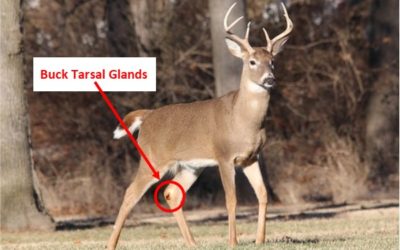
As deer begin to feed in the pasture, they eat very fast. Depending on the type and abundance of food, the deer can fill its stomach in about one or two hours. When a deer eats, food is chewed just enough to swallow. This is the first chewing. Specialized Digestive System Deer have a four-chambered stomach. The first chamber, called the rumen, The organs the male deer have to reproduce are the penis, the urethra, the testes, the epididymus, the prostate gland, the vas deferens, and the rectum. Male deer do not usually stay and look after their young (although it has happened on some rare occasions) but they do however have very strong glands that are located on their lower-armpit ... Anatomy of a Whitetail Deer. Learning the Anatomy of a Whitetail Deer should be your first priority.The illustrations below are courtesy of Dr. Wayne Trimm. Please use them to make yourself and others knowledgeable of Whitetail Deer Anatomy before you go afield. The deer will usually go down in less than 125 yards. Give the deer 30 minutes before tracking. * A heart-shot deer will sometimes jump wildly when hit. The blood trail may be sparse for the first 20 yards or so. A heart shot deer may track as much as a quarter of a mile, depending on what part of the heart is damaged. The usual is less than ...
Wear food-processing gloves, and change them after handling the organs. Field-Dressing . 1. Find a gently sloped piece of ground and position the deer on its back with the head on the uphill side of the slope. If you have a buck or male, cut the skin that holds the sex organs to the body. Cabela's Pro Staff member Aaron Warbritton explains deer anatomy and how to drop a buck based on certain areas of his body. Aaron discusses the differences b... Stewart recommends the placement most of us grew up learning, the boiler-room shot, through the heart-lung area with the deer standing broadside. Even if you're a couple of inches off, you still hit vital organs. But even with a solid hit, a decent percentage of deer will run off, requiring that hunters follow a blood trail to recover the animal. The deer could be "filling up" inside with blood, showing very little external. The Whitetail Deer Anatomy Diagram can become your reference when thinking of about Anatomy Diagram. After showing this Whitetail Deer Anatomy Diagram, we can guarantee to inspire you. For right now we gather some photos of Whitetail Deer Anatomy .
Where To Shoot A Deer Bowhunting Shot Placement Petersen S Bowhunting
Male whitetails (also known as a buck) typically weigh from 130 to 300 pounds (although several bucks in excess of 375 pounds have been documented). Female (does) usually weigh in at 90 to 200 pounds. The length of a whitetail will vary from 62 to 87 inches, including the tail, with a shoulder height of 32 to 40 inches.

Make That First Shot Count When Deer Hunting Grand View Outdoors
The aim of this guide is to provide information on the anatomy of deer and the ... The diagrams show that as shots become more angled from the broadside ...
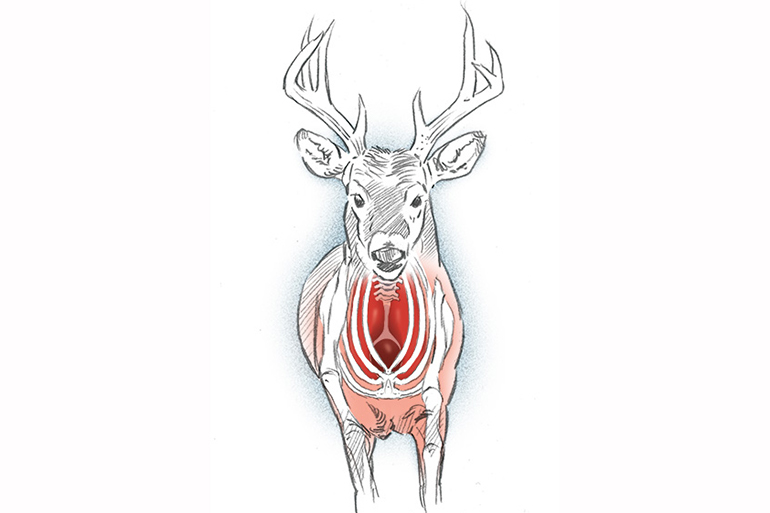
Where To Shoot A Deer Bowhunting Shot Placement Petersen S Bowhunting
1) Heart: This is my personal favorite organ meat, by far. My father liked deer heart so much that he'd check fresh gut piles left by other hunters in hopes that he'd find one. For our own deer kills, it was a family ritual to cook the heart for a late breakfast after the morning's hunt. My mother's recipe is still my favorite.

12 Deer Anatomy Ideas Deer Anatomy Animals
http://www.deeranddeerhunting.com Deer Talk Now. You shoot a deer during the hunting season. You think your shot is a little off — gut shot, liver shot, but ...

Where To Shoot A Deer For One Shot Kills
It presents the surest scenario for your bullet or arrow to strike both organs, usually putting the deer down quickly. YouTube. There are of course other shots that will drop a deer. Head shots and spine shots will drop a deer in its tracks, but these can be tricky. Missing a head shot by a couple inches can seriously wound, but not kill, a deer.
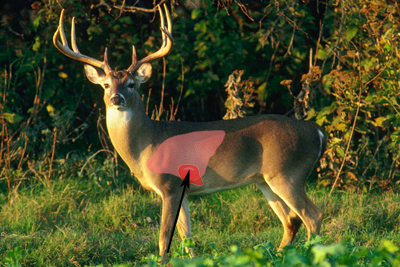
Shots To The Vital Areas Texas Parks Wildlife Department
First, you must field dress your deer. Field dressing means removing the animal's internal organs, also known as the entrails, which is necessary to preserve its meat. This process also helps cool the carcass, slow bacterial growth, and remove blood and paunch (stomach) materials from the meat. Here's a step-by-step guide to field dressing ...
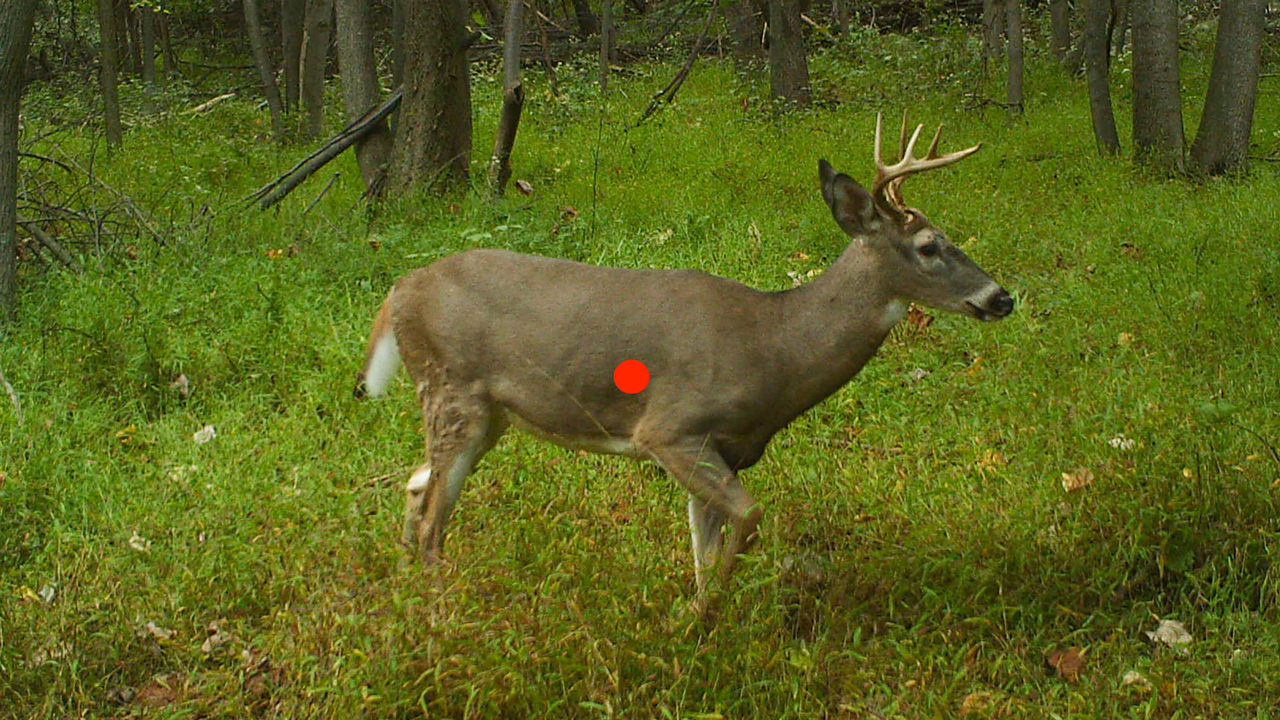
Shot Placement For Deer
Whitetail Deer Vitals Diagram. Deer Vitals If you were to draw imaginary lines across a deer's body from chest to tail, the deer's heart would be found in the bottom third. When I got a bit older I learned the specifics of whitetail anatomy. Cleaving a deer's vitals with a razor-sharp broadhead delivers a quick.
Shot Placement On White Tailed Deer Norma Academy Norma
Whether with a gun or a bow, a shot that hits the shoulder blade and therefore misses vital organs typically means there's a good chance the deer will survive. Obviously, the right rifle and caliber combination it will penetrate through the blade, but a bow or smaller caliber gun can lead to a ricochet, or stop the penetration altogether.
Picture Of Deer Anatomy Vitals Texasbowhunter Com Community Discussion Forums
Deer Anatomy Diagram. ... The brain is another organ that when shot will drop a deer dead in its tracks. However, the brain is a very small target and if you end up missing the brain and wounding the deer in the head area it will likely be a slow and painful death for the deer.

Taxidermy Field Dressing A Deer Etc
organs from the back of the deer and to cut the esophagus and blood vessels near the diaphragm. The esophagus should be pinched or tied off prior to cutting to prevent spilling stomach contents into the abdominal cavity. (Although there are other methods to remove
1
Deer are able to consume large amounts of food in a relatively short period of time. That food is swallowed and passed to the first stomach, which is known as the rumen. The digestive bacteria in the rumen begins to break down the cellulose found in the plant life that the deer has consumed.
Deer Anatomy Model Turbosquid 1461620
Oct 26, 2020 — There are now countless resources for learning a deer's anatomy. Many of those resources have “borrowed” an illustration that we posted on ...

Bowhunting How To Where To Aim On A Whitetail Deer
Knowing where vital organs are in relation to each other along with shoulder, bone, and muscle can help you become a more effective shooter, killer, and lead to clean-ethical one shot kills and overall better shot placement on mule deer. Know Mule Deer Anatomy and Aim Small. As the old cliche goes, "aim small, miss small".

Deer Shot Placement Tutorial L Ranch Fairy Youtube
The organ diagram above is a deer anatomy organ diagram. Use this diagram to learn about the deer anatomy. Now we'll move to human organ and body diagrams. Humans have five vital organs that are essential for survival. These are the brain, heart, kidneys, liver and lungs.
Anatomy Liver Skeleton High Resolution Stock Photography And Images Alamy
There are three important organs of the deer's circulatory system--the heart, lungs, and spleen. Whitetail Deer, like most mammals, have a four chamber heart which circulates blood through the circulatory system. It transfers oxygen and nutriants throughout the body and carries away carbon monoxide and waste materials for disposal.
Deer Anatomy Chart Learn Where To Shoot A Whitetail Deer N1 Outdoors
The result is a first-ever chance to shoot an arrow into one side of a deer and then go around to the other side to see both the path the arrow took and which internal organs it pierced en route. The material used in constructing the soft organs is self-healing, so it will last for a significant number of shots.
1
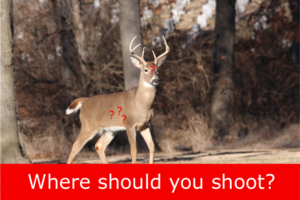
Deer Anatomy Chart Learn Where To Shoot A Whitetail Deer N1 Outdoors

Understanding Seven Deer Glands

General Anatomy Of Deer Illustration Science Art Com

The Frontal Shot John Stallone Days In The Wild

Deer And Elk Anatomy Where And Where Not To Place The Shot
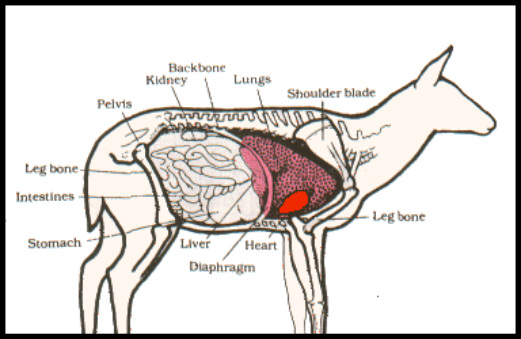
Physiology The White Tailed Deer

Houston Deer Processing Meat Market Tips
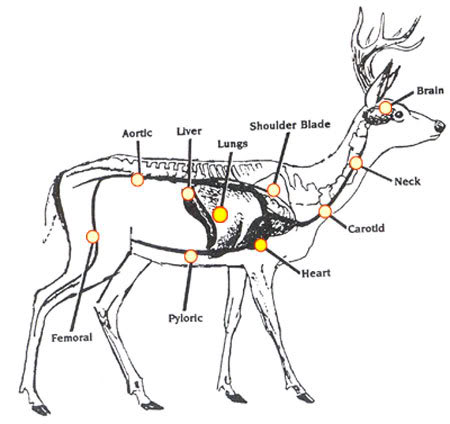
Circulatory System And Respiratory System Whitetail Deer

Deer Anatomy Recovery Reminder Pics Diagrams Iowawhitetail Forums

Ol Man Outdoors Whitetail Deer Vitals Diagram
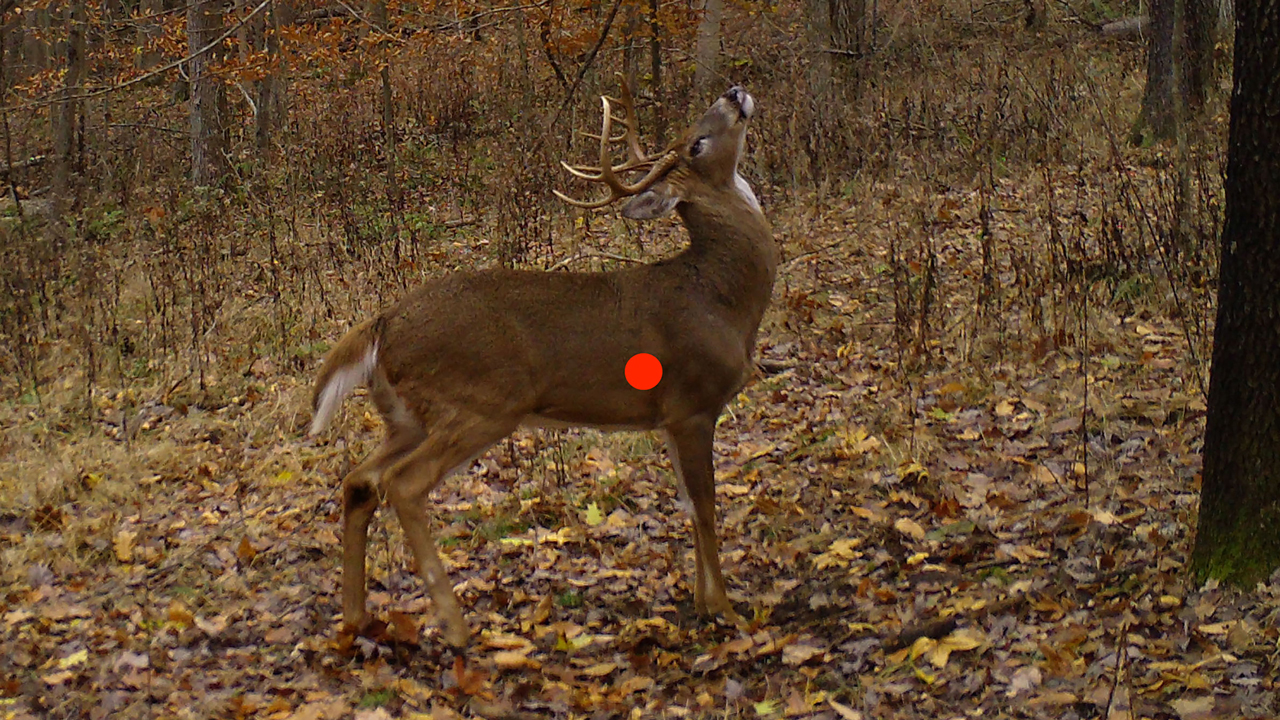
Shot Placement For Deer
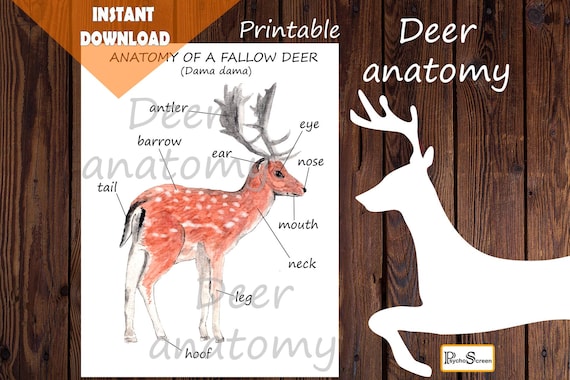
Deer Anatomy Fallow Deer Body Parts Diagram Of A Deer Etsy
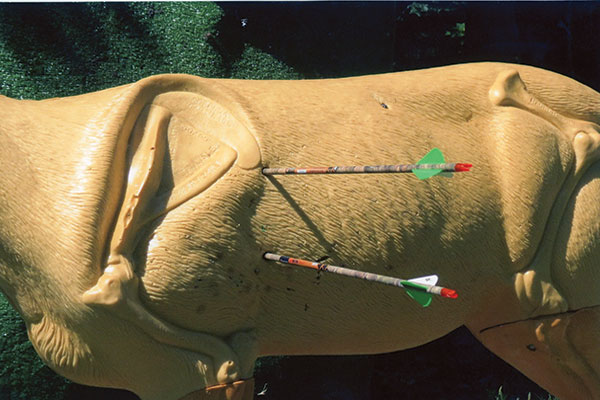
Introducing The Ultimate Anatomy Organ Buck Target North American Whitetail
Venison Chart

Deer Anatomy Where To Aim On A Deer Cabela S Deer Nation Youtube

Whitetail Deer Passion Make Your First Shot Count

Deer Anatomy Heart Circulation Skeleton Stock Photo Alamy

The Skeleton Of A Whitetail Deer
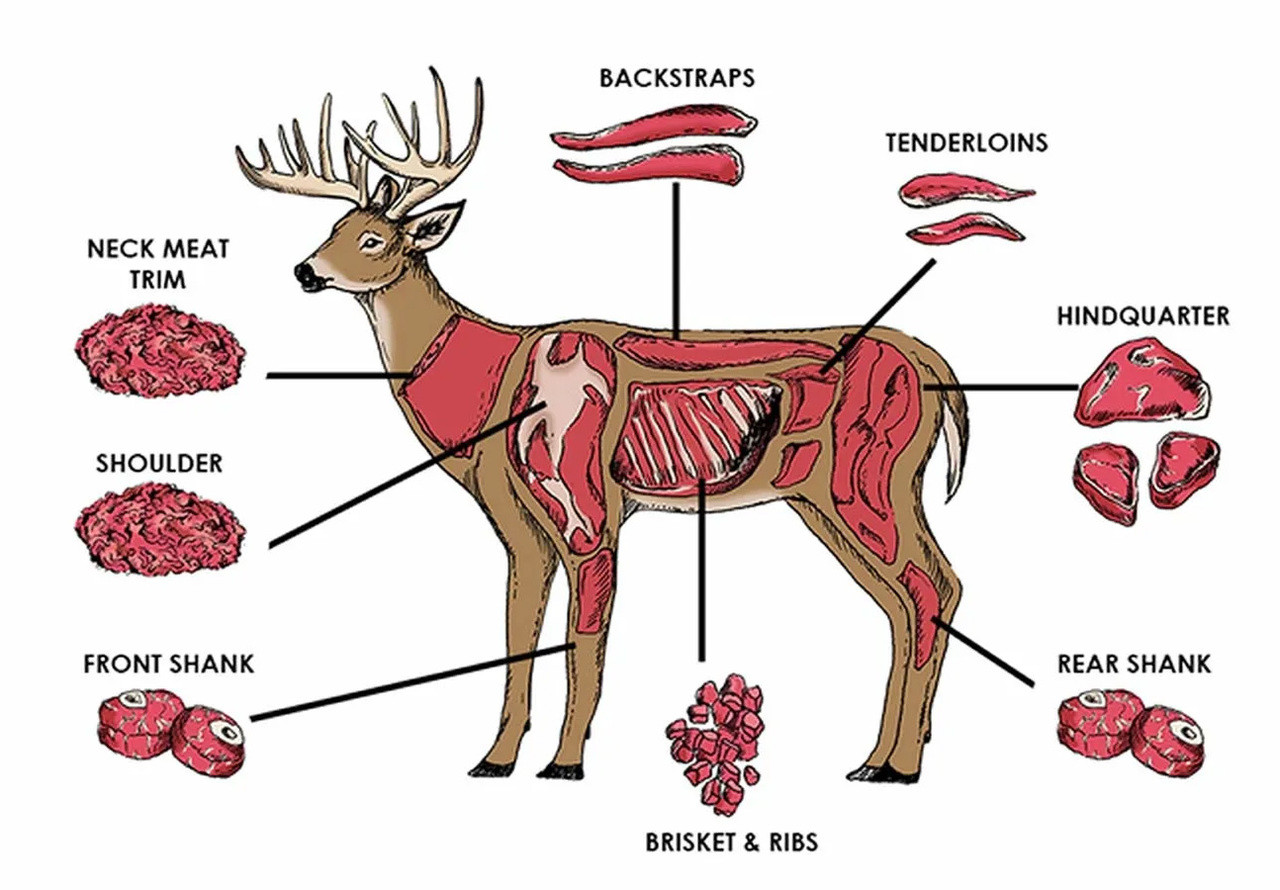
Venison Prey Model Blend Raw Dog Food For Sale

Deer Anatomy

12 Deer Anatomy Ideas Deer Anatomy Animals

Mule Deer Anatomy Shot Placement Accuracy Muley Freak
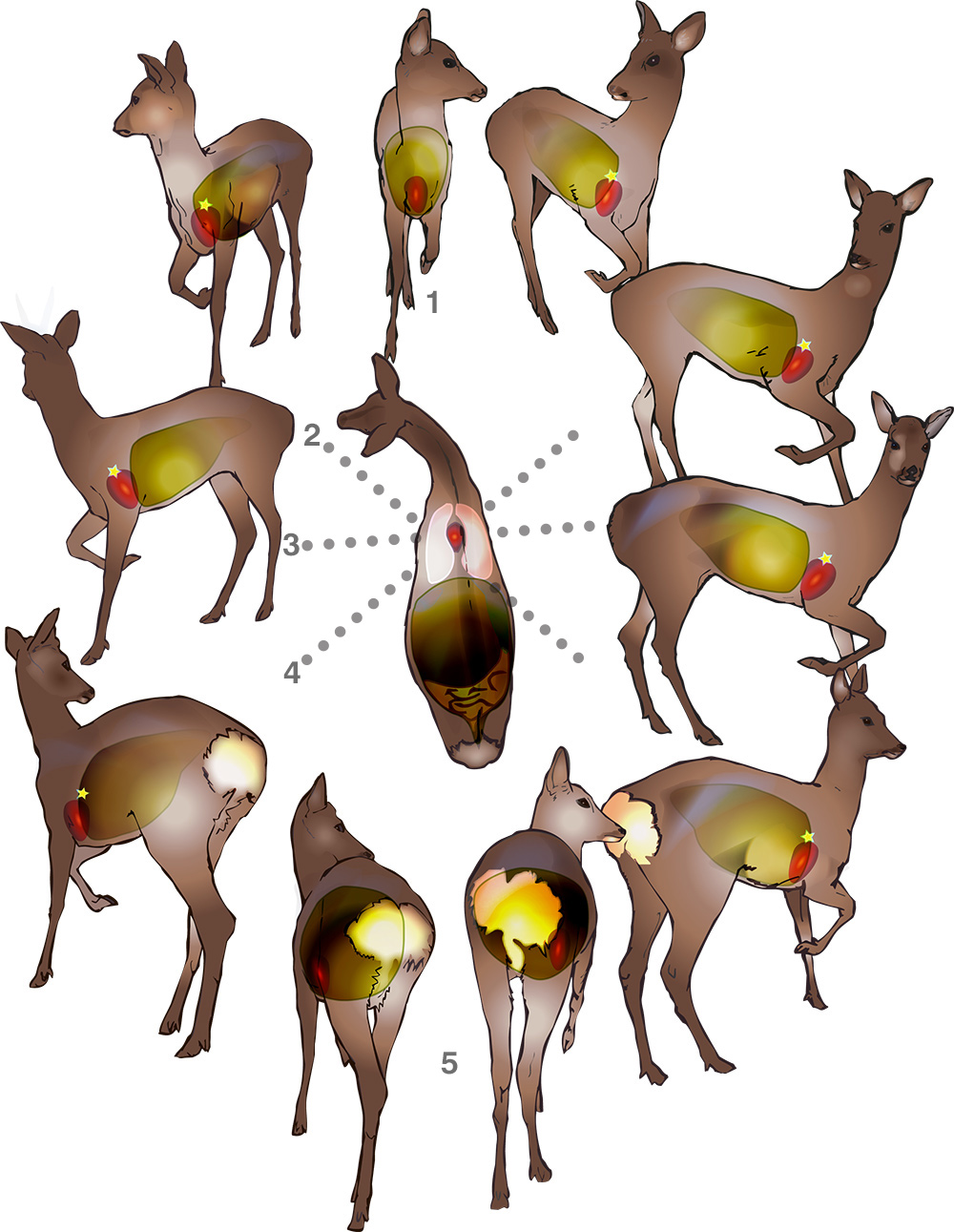
Shot Placement Best Practice Guidance


Comments
Post a Comment