39 draw a diagram of how a bill becomes a law
Draw a diagram of how a bill becomes a law. List the 10 times a president must usually win in order to hope for final passage of his or her proposed legislation. a. One House subcommittee b. Full House Committee c. House Rules Committee to move to the floor d. House floor e. One Senate subcommittee Step 8: The bill goes to the president. After both the House and Senate have approved a bill in identical form, the bill is sent to the President. If the President approves of the legislation, it is signed and becomes law. If the President takes no action for ten days while Congress is in session, the bill automatically becomes law.
Upon receiving the bill the President can. 1. Sign the bill into law. 2. Veto the bill 3. Wait 10 days, and let the bill become law without his signature. 4. Allow the bill to die, if Congress adjourns within the 10 days the President has the bill. - Pocket Veto.

Draw a diagram of how a bill becomes a law
to bill and reach agreement Legislation presented to the President. President signs measure Measure becomes law If President does not sign measure into law within 10 days If Congress is in session, measure becomes law If Congress is not in session, measure does not become law (“pocket veto”) President vetoes measure Measure does not become ... Congress and do not become law. The official legislative process begins when a bill or resolution is introduced and given a number (e.g. H.R. 1279 or S.2819) – H.R. signifies a House bill and S. a Senate bill. The bill is referred to a committee and printed by the Government Printing Office. Step1. Referral to Committee How A Bill Becomes A Law [classic] Edit this Template Use Creately’s easy online diagram editor to edit this diagram, collaborate with others and export results to multiple image formats.
Draw a diagram of how a bill becomes a law. How a Bill Becomes a Law Flowchart assigned to a committee. Debates the bill and may amend it. If it is Teacher Resource About 10,000 bills are introduced per year. Each ... draw up) bills. HOUSE Bill is introduced and assigned to a Committee which refers to a Subcommittee. Only members can introduce bills. Summary of Bill Becomes a Law. Step 1: Bill Introduced. Step 2: Bill Referred to Committee (or debated directly in the Floor) Step 3: Committee Debates and Votes on the Bill. Step 4: After Bill is voted and Passed in the Committee, its reported to the Floor (Entire Senate or House) Step 5: Floor debates and votes on the bill to Pass or Fail. Government bill requires a 7- days notification for its introduction. The government could collapse upon failure, based on the type of government bill as well as the majority needed to get such a bill passed. Steps to follow: Bill to become law. A bill approved by both parliamentary houses goes out to the speaker. How a Bill Becomes a Law [classic] Use Creately’s easy online diagram editor to edit this diagram, collaborate with others and export results to multiple image formats. You can edit this template and create your own diagram. Creately diagrams can be exported and added to Word, PPT (powerpoint), Excel, Visio or any other document.
How A Bill Becomes A Law [classic] Edit this Template Use Creately’s easy online diagram editor to edit this diagram, collaborate with others and export results to multiple image formats. Congress and do not become law. The official legislative process begins when a bill or resolution is introduced and given a number (e.g. H.R. 1279 or S.2819) – H.R. signifies a House bill and S. a Senate bill. The bill is referred to a committee and printed by the Government Printing Office. Step1. Referral to Committee to bill and reach agreement Legislation presented to the President. President signs measure Measure becomes law If President does not sign measure into law within 10 days If Congress is in session, measure becomes law If Congress is not in session, measure does not become law (“pocket veto”) President vetoes measure Measure does not become ...
Screen Shot 2021-03-18 at 2.16.17 PM

10 best images about Teaching Government on Pinterest ...
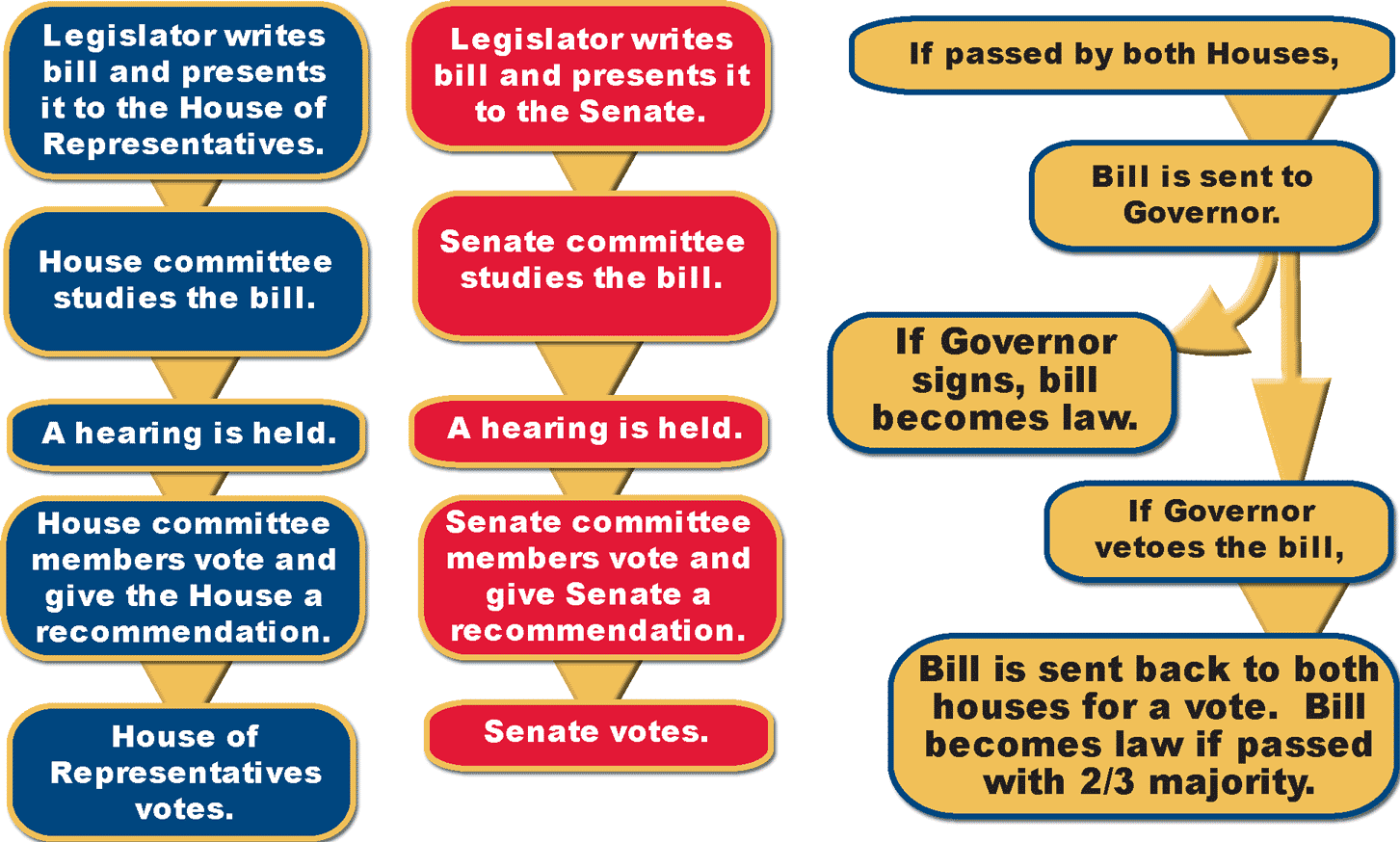
How a bill becomes a law: The most important power... | Sutori

Screen Shot 2021-03-18 at 2.20.57 PM
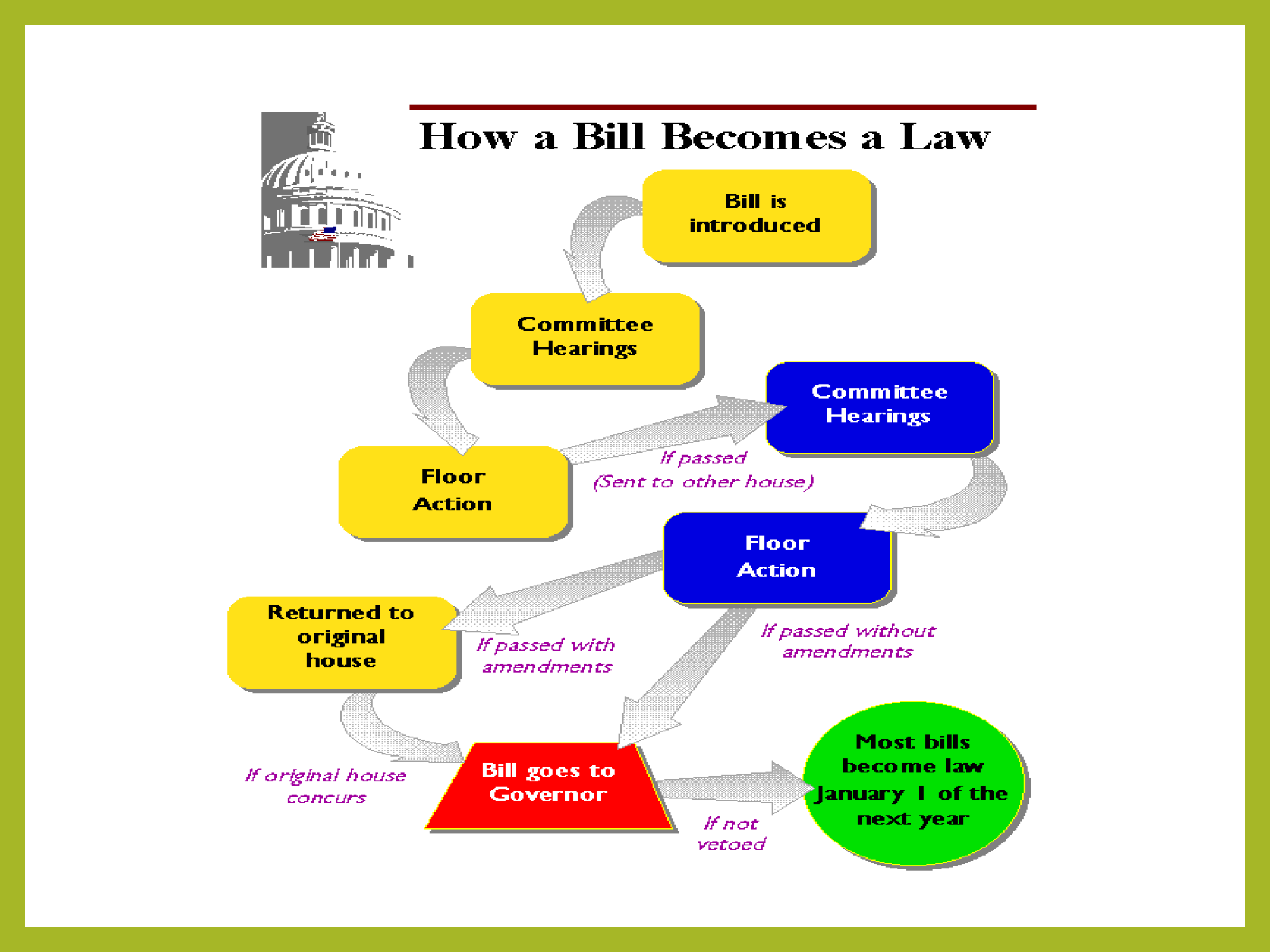
NCLR Advocating for Several CA LGBT Rights Bills ...

Screen Shot 2021-03-18 at 2.20.27 PM

How a Bill Becomes a Law Lesson Plans and Lesson Ideas ...

How a Bill Becomes Law - A Classroom Simulation (1 Week ...

book lot on black wooden shelf

10 10 and 10 us dollar bill

Opinion: 'I'm Just a Bill' is Comically Unrecognizable in ...

Mr. Amutan's HW and Info Blog: How a Bill Becomes a Law

Screen Shot 2021-03-18 at 2.22.18 PM

Screen Shot 2021-03-18 at 2.18.42 PM

Screen Shot 2021-03-18 at 2.26.09 PM
How does a bill become a law in the Indian parliament? - Quora
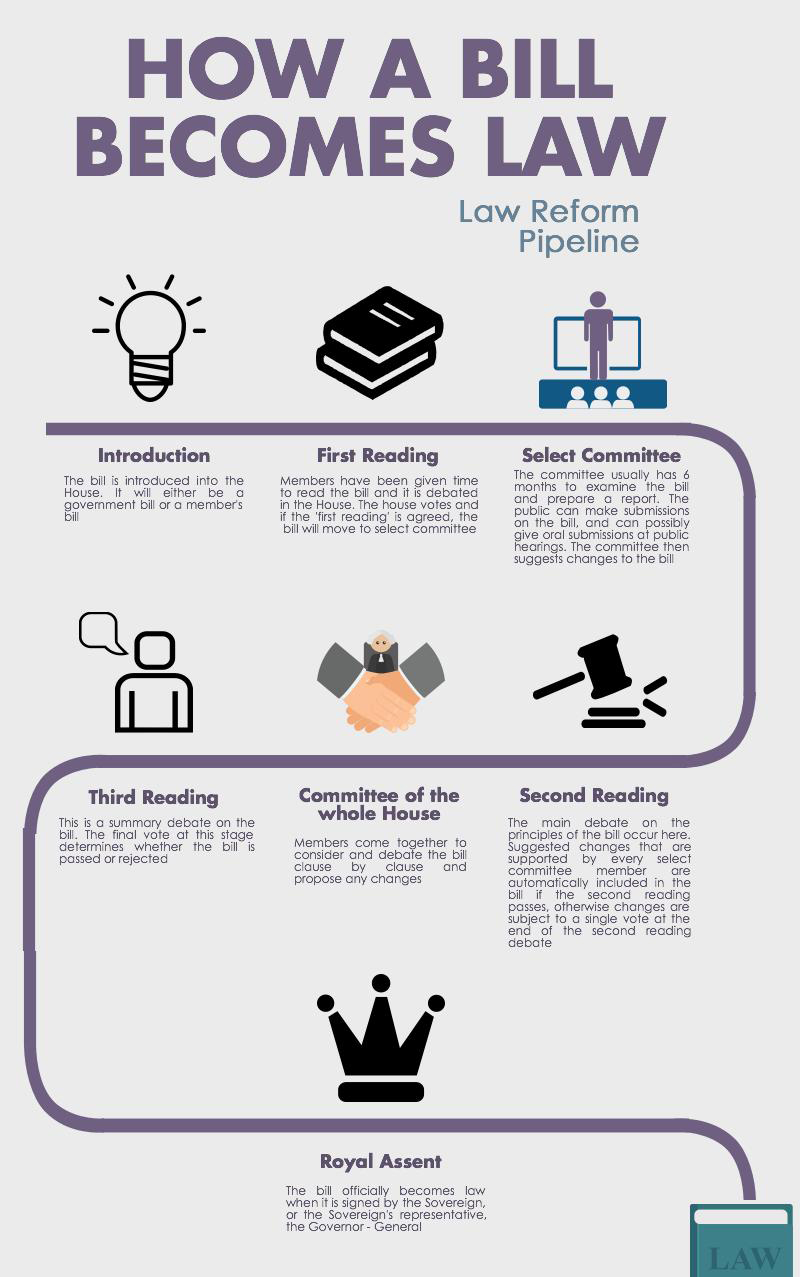
Law Reform - Community Law
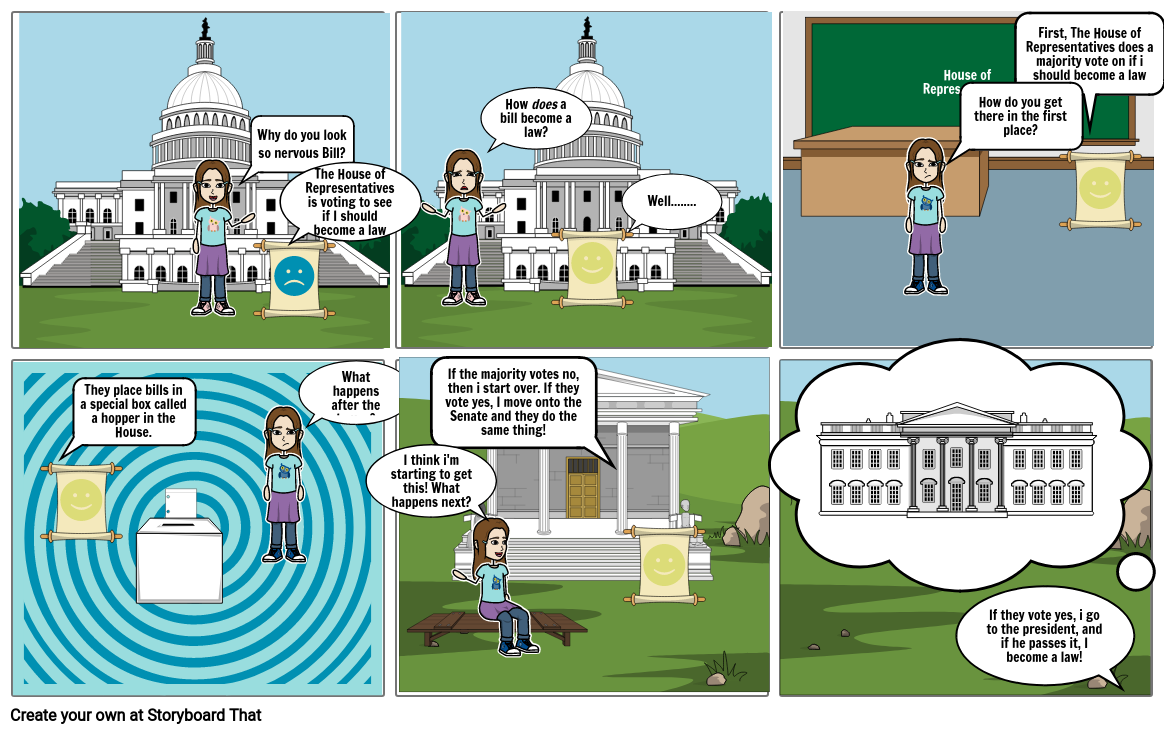
How a Bill becomes a law Storyboard by ea8e6a01

Screen Shot 2021-03-18 at 2.18.08 PM

Series-of-Events Chain: How a Bill Becomes Law | Download ...

The Two Sisters-in-Law, plate twelve from Landscapes and Interiors (1899) // Edouard Vuillard (French, 1868-1940) printed by Auguste Clot (French, 1858-1936) published by Ambroise Vollard (French, 1867-1939)

man sketching face on white printer paper

Campden Hill, London (1949) // Bill Brandt English, 1904–1983

22 best Teaching Government & Citizenship images on ...

selective focus photography of three books beside opened notebook
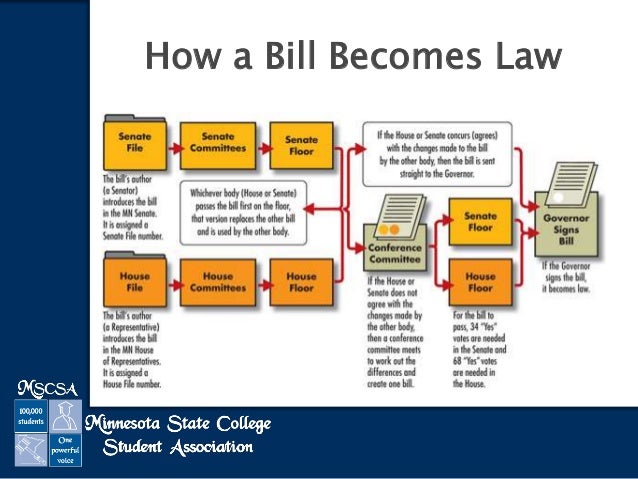
How a bill really becomes law

Screen Shot 2021-03-18 at 2.21.59 PM

How a bill becomes a law | Stand for Children

Schoolhouse rock, Bill o'brien and Law on Pinterest

Screen Shot 2021-03-18 at 2.11.28 PM
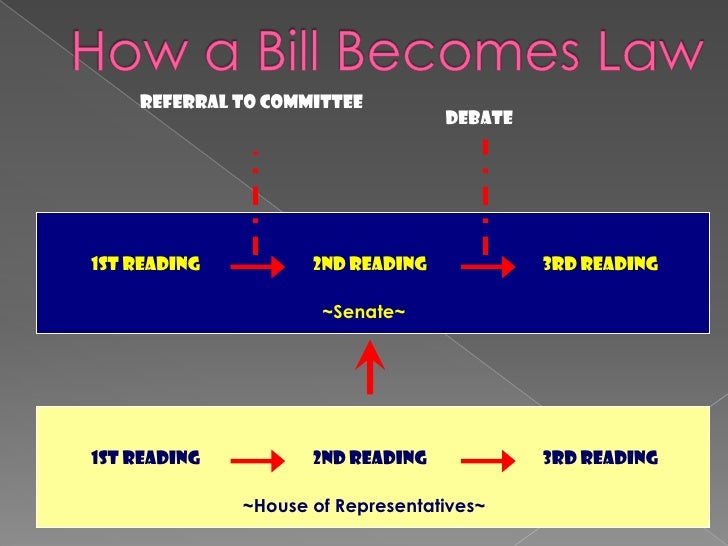
Process essay how bills become a law
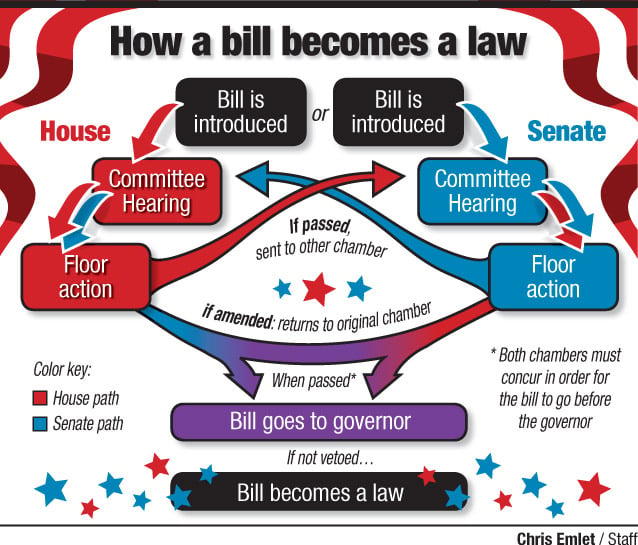
Lancaster County lawmakers make few Pa. laws | News ...
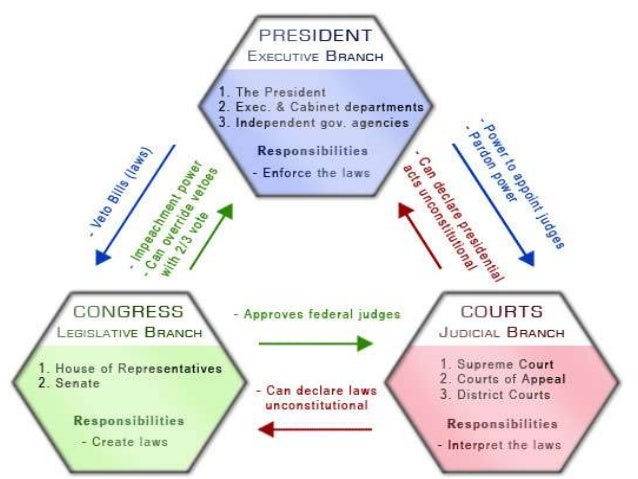
How a bill becomes a law edtp600

How a Bill Becomes A Law | Situation Room Experience
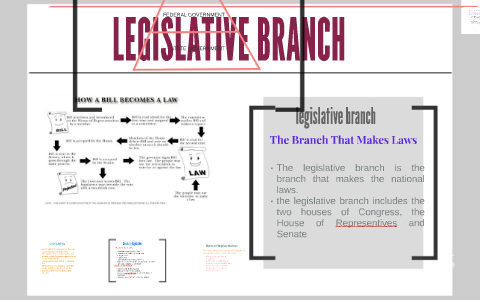
how a bill becomes a law by chava willner on Prezi Next

Weeping Lincoln (1963, printed 2007) // Bill Mauldin American, 1921-2003

Screen Shot 2021-03-18 at 2.21.42 PM

assorted-title of books piled in the shelves

Floor Consideration Definition Government | Review Home Co


Comments
Post a Comment